All Posts By

Andrew Gwynne

Pushing the limits in Lincoln

By Blog

Most readers will know that Los Leones is the hybrid veterans’ group I set up eighteen months ago. It’s a project that brings together a new team (military and civilian) for new challenges. As the group develops, we’re looking for things to get stuck into. That usually means combining physical challenges with reflection and camaraderie. Here is the story of our first team-building trip.

A wet and miserable February weekend saw us rendezvous in the historic city of Lincoln. Our two days there struck a balance between looking forward – assessing and improving our fitness – and looking back at the sacrifice of those who came before. The core of our visit was spent with experts at the University of Lincoln’s Human Performance Centre. But we also found time for the magnificent cathedral, eager to reveal itself under the low clouds. On Sunday we paid our respects at the deeply moving International Bomber Command Centre.

Testing ourselves at the lab

For most of us, maintaining physical fitness is not only about our health and resilience, but about identity and connection to our military backgrounds. The opportunity to test ourselves with physiological assessments in a different environment put a smile on everyone’s face.

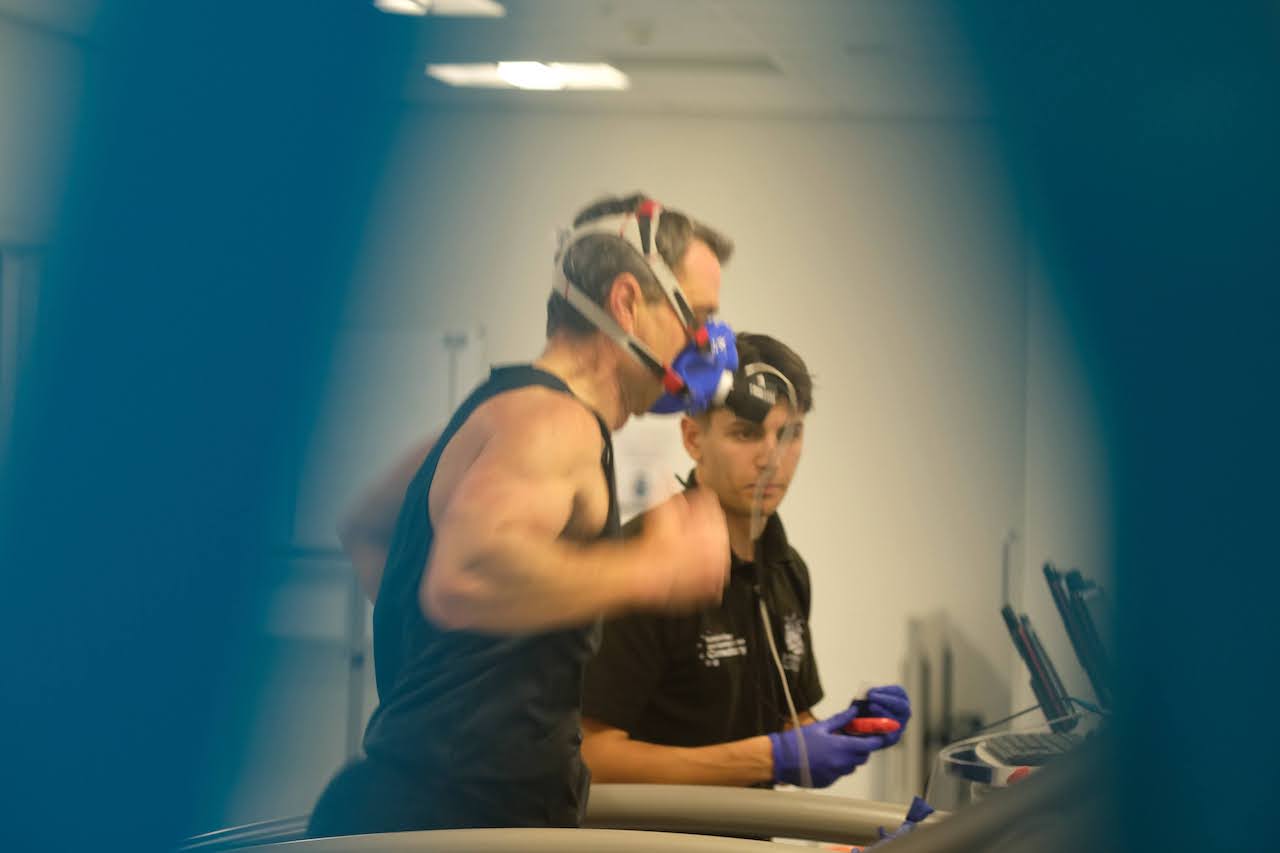
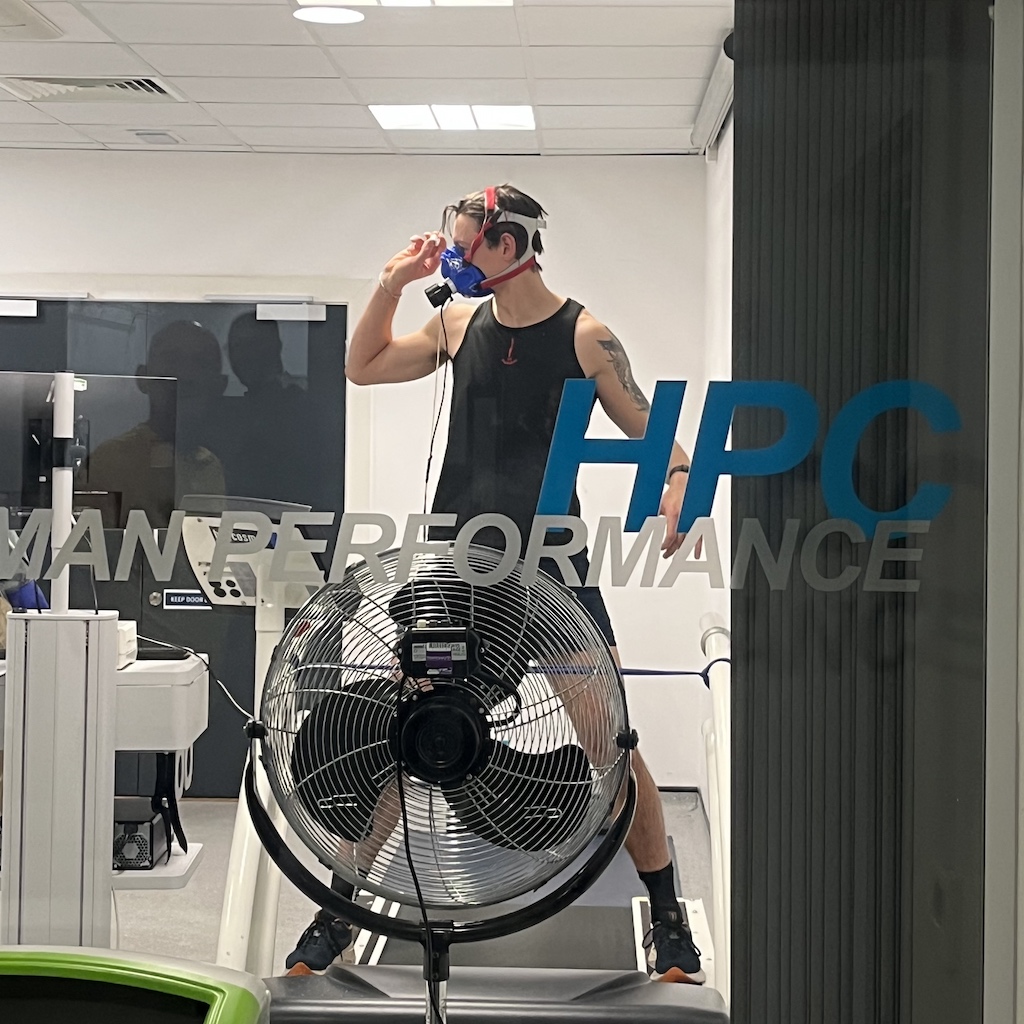
The sessions focused on cardiovascular endurance and aerobic capacity. We were testing the stamina of our hearts and lungs by measuring VO2 max and lactate thresholds. Using lab-grade treadmills and exercise bikes, each of us took part in controlled physiological tests. They measure how efficiently our hearts and lungs respond to an increasing workload.

On the treadmill, we completed a graded exercise test. This meant starting at a comfortable walking pace before increasing speed at set intervals. The stepped rises in intensity assess aerobic capacity, or how effectively the body uses oxygen during sustained effort. 
As the speed climbed, so did our heart rates. So did breathing rates. So did determination. For some in the group, it was a chance to rediscover their competitive spirit after injuries. For others, it was about quietly proving to themselves how hard they could still push. Eleven of us from Los Leones (and our supporters) took part, including the web designer, marketing lead content creator and team medic. We even had a father and son.

Meanwhile, the static bike assessments focused on controlled power output. The lab team increased resistance step-by-step while we kept a steady cadence. This allowed our testers to measure cardiovascular response, muscular endurance, and the speed of our recovery. The beauty of this test is that it removes impact stress from joints, but it still delivers a proper workout.

Throughout the testing, our heart rate monitors tracked exertion levels. The performance data was recorded to provide a clear picture of each individual’s current fitness. Rather than guessing our fitness levels, we left the lab with real metrics – particularly blood lactate profiles and levels of oxygen uptake. We’ll use these to guide our future training.

The spirit of teamwork

There’s something uniquely bonding about shared physical challenges. We’re all competitive people, but the atmosphere was supportive. We’re a team. Every finish – whether on treadmill or bike – was met with a pat on the back. Everyone ‘emptied the tank’.

Testing aside, we also took a lot from Trish Jackman, an expert sports psychologist. Her classroom session focused on how we can improve our performance by strengthening the mental skills that support physical ability. We covered techniques such as goal setting, visualisation, focus control, and positive self-talk. Understanding how thoughts, emotions, and motivation influence performance is fascinating. It will help us stay composed and mentally tough in high-pressure situations, ultimately leading to results we can be proud of.
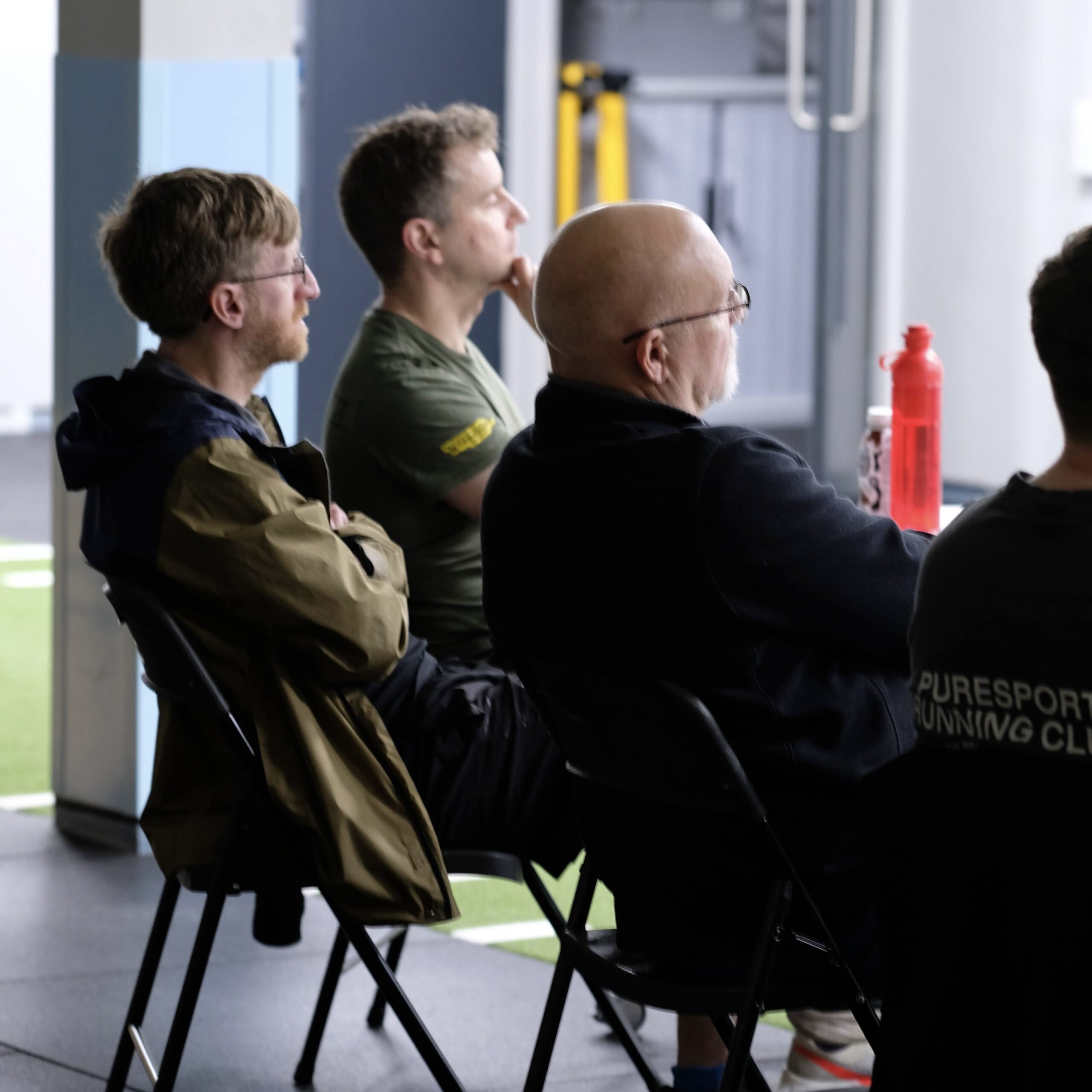
Learning from Trish

For Los Leones, the experience reinforced how structured physical activity continues to play a vital role in wellbeing. Fitness testing in a professional setting did more than produce numbers. It provided us with direction, fueled our confidence, and fostered personal accountability. We left inspired to set new goals for our project, and spent time developing more plans for 2026 and beyond. 

Reflecting on heritage, service and sacrifice

While the lab sessions focused on performance and teamwork, the rest of our visit offered powerful reminders of our history and heritage.

On Saturday evening, we attended evensong in the medieval cathedral. It dominates the city skyline and serves as a testament to centuries of faith and craftsmanship. Walking through its vast nave is a humbling experience, and its scale and serenity encouraged a quiet reflection. It’s a special place.
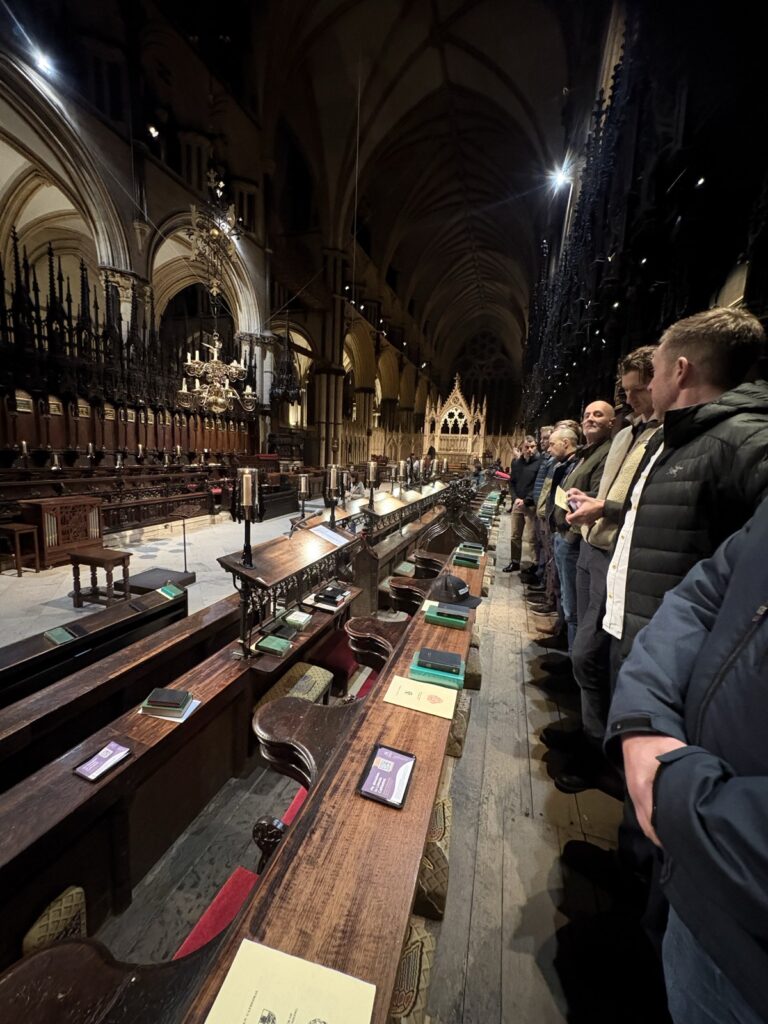
Inside the magnificent cathedral

The next morning was set aside for Los Leones planning. We have big ambitions for the project, and it was a rare opportunity to bring the team together. We found the perfect venue – the Tank Room at the White Hart Hotel. This unique space celebrates Lincoln’s pivotal role in the development of the tank during the First World War. It’s full of paintings and memorabilia relating to that legacy.
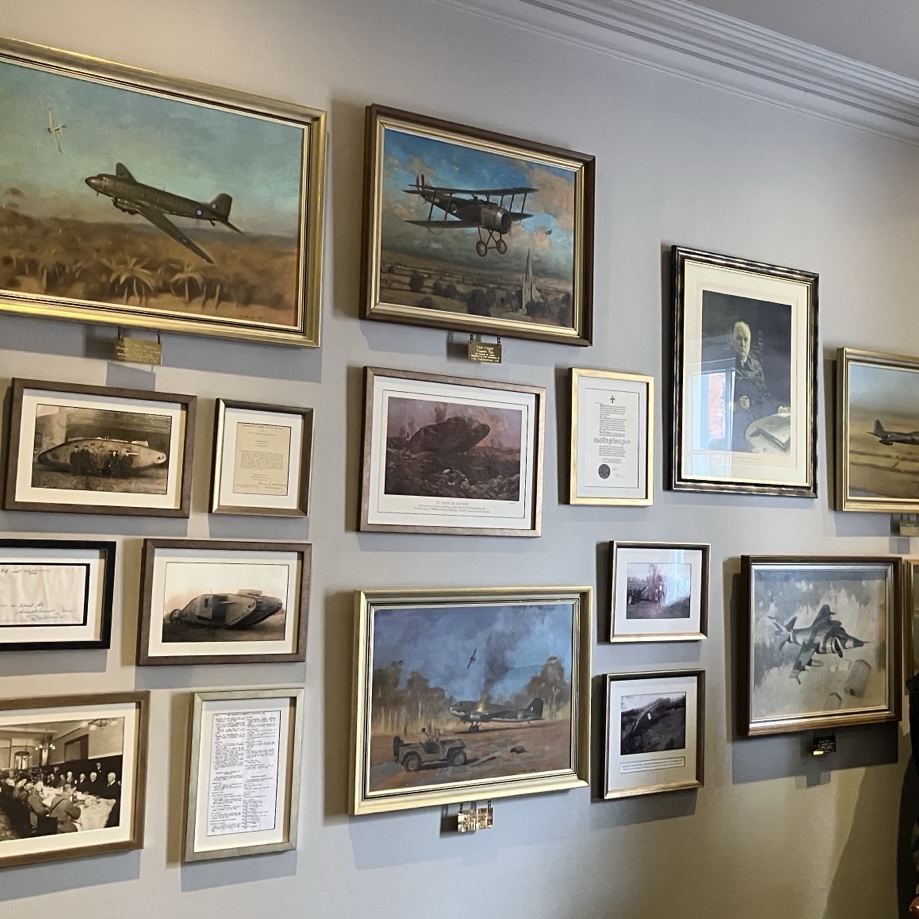
Tank Room, White Hart Hotel

Before heading home, we also visited the International Bomber Command Centre. For many of us with military connections, this was an especially poignant stop. The centre commemorates the men and women of Bomber Command who served during the Second World War. Many of them were based at airfields in the surrounding area, and navigators used the cathedral to help them find their way home. At the beginning of the war, crews simply flew until they died. The steel memorial walls, inscribed with almost 58,000 names, are a sobering reminder of their sacrifice.

The centre is also testimony to the persistence of volunteers, veterans’ families and local organisations. It was only opened to the public in January 2018, as part of the RAF’s centenary celebrations. In the decades before, political sensitivities had made the project impossible to progress. Now, at long last, we have a powerful tribute to those who served and died, and a place for visitors to learn about the difficult history of strategic bombing and its human costs.

A weekend of purpose

All round, a great visit to a historic city that was new to most of us. Our experiences were memorable, honouring the past while investing in the future. As a group committed to supporting members of the military community, it was a weekend that strengthened both body and spirit.

Thank you

All of us at Los Leones would like to thank Dr. Melissa Bargh, Senior Lecturer in Sport & Exercise Physiology at the University of Lincoln. Mel and her team did a great job,and we’re planning another visit next year. For more information on their Sport & Exercise Science Consultancy Services, you can visit their website.

The Tank Room at The White Hart Hotel

International Bomber Command Centre

The trip to Lincoln was sponsored by Freestyle Functional Fitness.

Coming up

Saturday 7 March – Commando Speed March, Achnacarry

Saturday 9 May – Swiss Commando, Sion

<Ends>
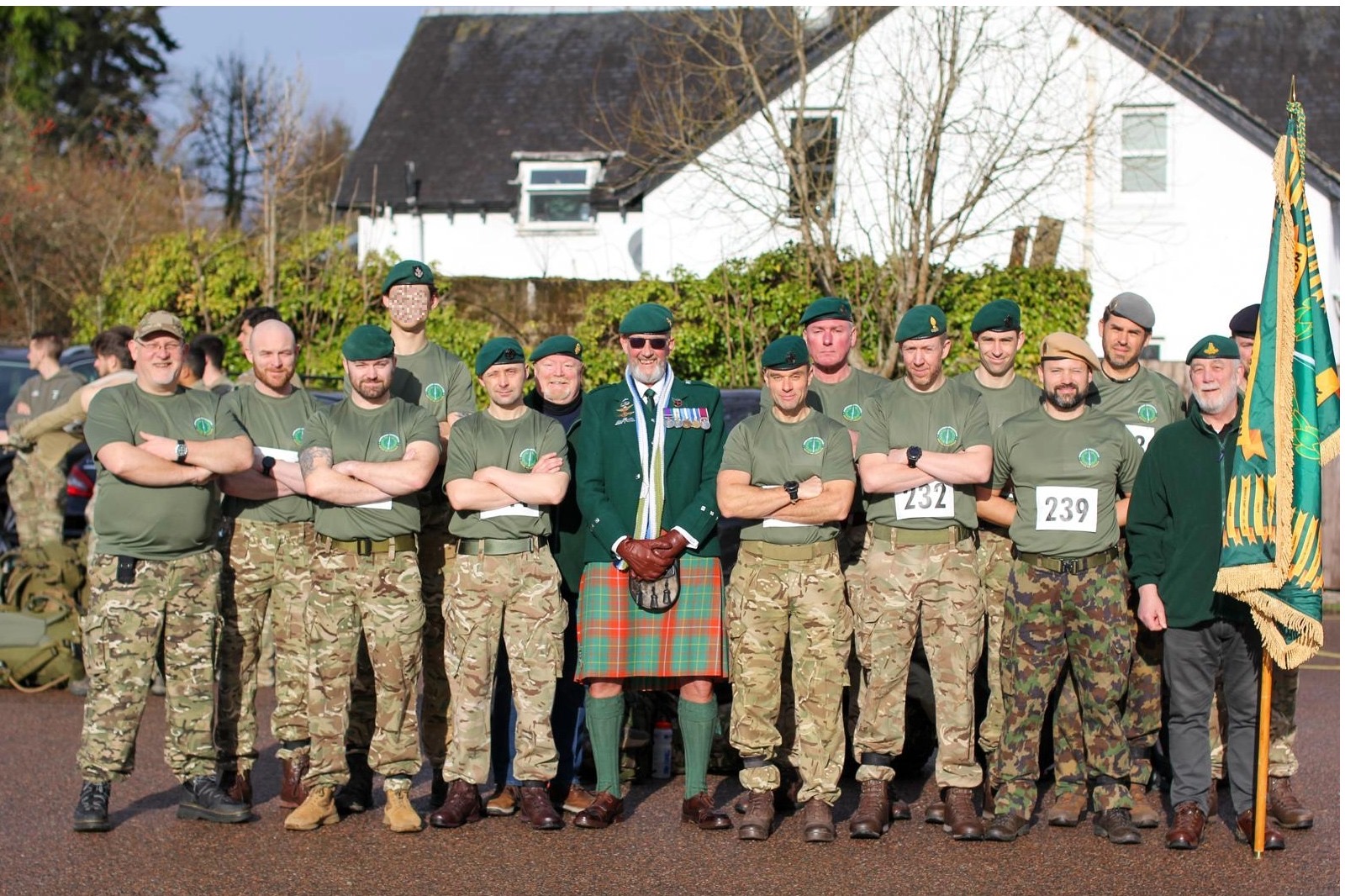
Looking back with Los Leones

By Blog

The clocks recently changed, and the evenings are drawing in. As usual, the supermarkets mixed up their Halloween pumpkins with the Christmas tinsel. Something tells me that 2025 is coming to an end.

Before it does, I wanted to thank everyone who has supported or followed Los Leones, including those brave souls who’ve taken part in some arduous events. I’ve put together a short review of the year below, so you can see what we’ve been up to – in the UK and beyond.

To jog your memory, Los Leones is the hybrid veterans’ group I set up in 2024. After leaving 131 Commando, I knew I’d miss the people and the camaraderie. So we created something that would bridge that gap. It’s a project that’s brought together a new team (military and civilian) for new challenges. We christened ourselves Los Leones – Spanish for lions – and have now raised nearly £16,000 for military charities. 

The spirit of teamwork…

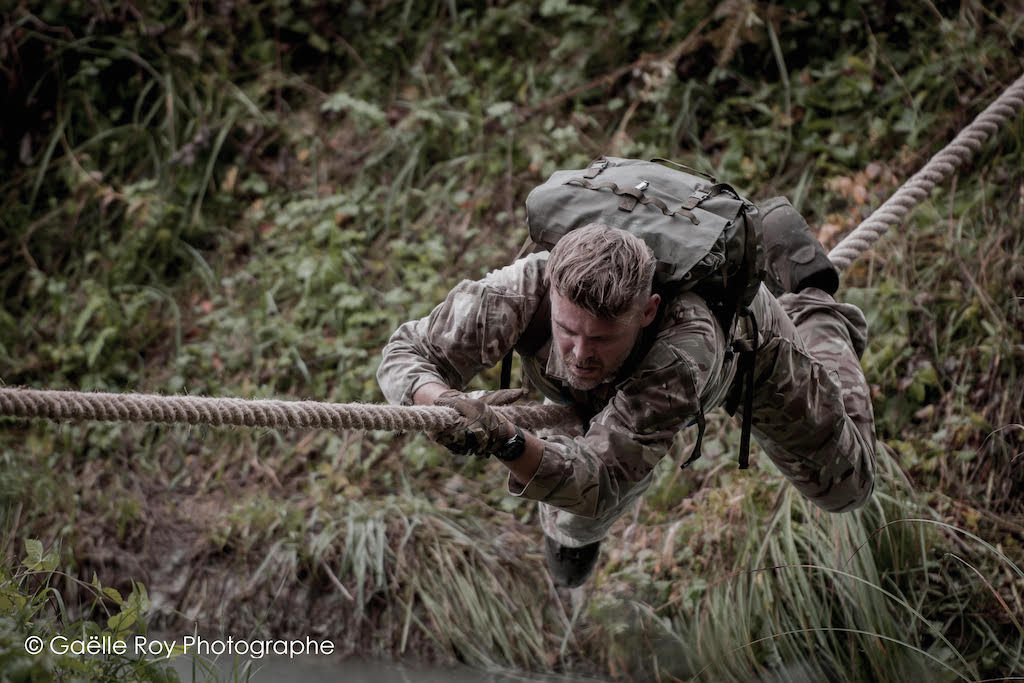
We started Los Leones by aligning our efforts to two elite military units from modern history, the Commandos and the Gurkhas. Our main mission at the beginning of this year was to field a competitive team of veterans in the Commando Speed March at Spean Bridge, Scotland. It’s a seven-mile run that commemorates part of the selection process for commandos during WWII. 

This iconic military challenge was reborn 30 years ago, faithfully organised by local resident Graeme Taylor. The best teams from the UK and overseas armed forces race against each other, raising vital funds for military charities. We fielded a competitive team of 12 veterans. You can find out more about this annual event by reading this blog

…and support for individuals

March saw Los Leones team member Mark Pigden take on a massive challenge. We’re all immensely proud of what he achieved in his 24-hour deadlifting world record attempt. While he did not break the record, his 5,865 reps meant he lifted over 318,000 kilograms. Mark showed his commando spirit throughout the attempt. He set a new personal record and helped the team raise over £8,700 for the Commando Association. 

Mark’s challenge demanded physical endurance, mental resilience and courage. We supported him by providing funding for equipment and clothing. We also arranged a chef, a physio, a medic, a videographer and physical training instructors. This event, and our overall approach, is about more than numbers and records. It’s about community, service, and giving back to those who’ve given so much.

‘Beautiful beyond belief. Savage beyond reason’.

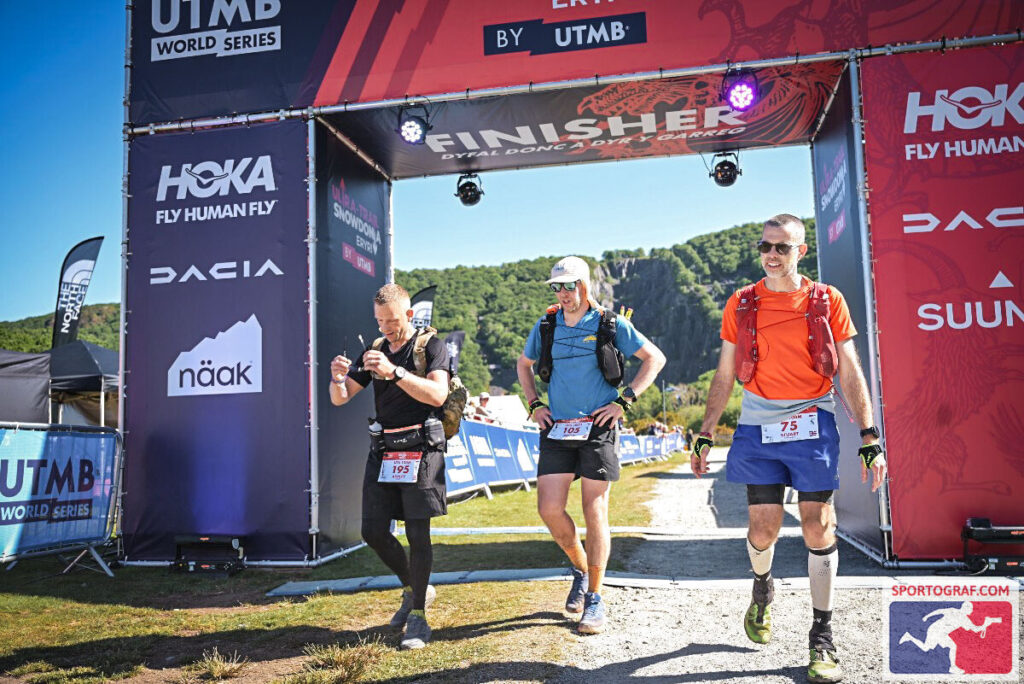
In May, two other team members faced a different kind of challenge. Ash Innes and Dave Grant lined up to take on the hardest 100-mile foot race in Europe. Ultra-Trail Snowdonia takes in 102 miles and over 31,000 ft of elevation. They had 48 hours to cover the technical trails and serious climbs, dealing with high levels of exposure. We arranged a support team of drivers, a paramedic, and a chef. Even Dave’s mum and her dog Casey were on hand to help resupply at checkpoints. It was an emotional experience to watch the boys cross the finish line – they had gone 56 hours without sleep. 

Closer to home 

A month later we were at the Doko Challenge South, a 5km race around Wimbledon Common. This is held annually in June. It’s a very scaled-down and respectful version of part of the selection process undertaken by Nepalese recruits for the British Army. Runners complete the cross-country course carrying a 15kg woven Doko basket on their backs. This year was my fifth attempt (it is held in my backyard, so no excuses). We celebrated with another of the Los Leones team, Johnnie Farquhar, as he won the event in a time of 23 minutes.

Some memorable international events 

At the Commando Speed March, we’ve made many new friends and comrades. They include a group of Swiss commandos, who gave us the opportunity to visit their wonderful country at the end of the summer. Los Leones took part in the Swiss Commando Course race in Sion, in the canton of Valais. The 10km race involved carrying 10kg over various obstacles, then a cheeky final climb to the spectacular Chateau Tourbillon. The day ended with drinks in a vineyard and a gala dinner. It was a notable improvement over army ration packs in the Dartmoor rain.

Before the year’s end, we’re heading to the national cross-country championships run by Belgium’s Special Operations Regiment. They host them each year, with teams competing from France, Germany and other NATO forces. It’s a challenging 10km trail race around the area they use for their own training, open to serving military and veterans.

Tough challenges for groups and individuals

Looking ahead to 2026, we’re planning new challenges. They’ll involve both cold and hot weather environments, like long distance cross-country ski racing in Falun, Sweden, and gravel biking in Andalucia, Spain. The latter will take a route across the formidable el desierto de Tabernas. We’re also planning a team visit to a sports science facility at a UK university. This will allow us to measure our physiological fitness, while getting instruction on racecraft.

Thank you

All of us at Los Leones owe a debt of gratitude, or gracias eternas, to those who have donated generously as well as those sponsoring the team. This includes all at 131 Commando for advising and hosting us whenever we’ve needed it. OC Maj. Mike Gough and PSAO Capt. Olaf Dudley from 131 Commando RE have offered invaluable support for our efforts from the beginning. 

We’re also grateful to our first lead sponsor, Bell Hammer Property Development, led by Joel Hawkins. They have given us sufficient annual funds to mitigate race entry fees, logistics, kit purchase, and transport for all our events. 

There are also a number of sponsors who have asked for no recognition. You are the ‘silent unseen’. Your unconditional trust energises team Los Leones and you can be sure that every single penny is used to the full.

About the charities

The Commando Association

As we work on our fundraising efforts, it’s always heartening to see public support for the Commando Association. The association became a charity a year ago, allowing it to grow, develop and pursue new avenues. Their Just Giving page is now live, making it easy for anyone to fundraise for them directly. At Los Leones, we’re committed to ensure the momentum continues and that their good work spreads far and wide, with the long term goal to build an International Commando Heritage Centre at Spean Bridge, Scotland.

The Gurkha Welfare Trust

The Gurkha Welfare Trust does a tremendous job of organising many events, raising essential funds to support the Gurkha community in Nepal. Every year they raise hundreds of thousands of pounds to help veterans, widows and their families, providing financial aid, medical care and welfare services. We’re proud to support them. 

When a country responds to a near-death experience

By Blog

I’d like to thank those of you who take the time to read my blogs. If you’ve read more than a handful, you’ll have noticed that teamwork is a common theme. That’s teamwork anywhere – it might be in the military, at work, home, or when facing a physical challenge. In small groups, teamwork drives high performance and mental strength. Is the same true for larger communities? What about whole countries?

This blog is about a fascinating country in Northern Europe. Its people are the happiest in the world. But it’s also the place that named the Molotov Cocktail (or ‘bottle bomb’) during a bloody conflict. It’s faced many challenges to its sovereignty and cohesion, including a long border with an unfriendly neighbour. 

Total defence

This is Finland, with its 5.5m people and 168,000 lakes. It’s unique in many ways, but one characteristic stands out. The Finns have a concept that runs through their society at every level – school, business, government – and every age group. It’s called ‘total defence’, or, if you’re a native, kokonaismaanpuolustus. The deep-rooted idea is that defending the country is a shared responsibility for everyone, not just the armed forces.

During peacetime, Finland’s armed forces number 24,000. Their wartime military strength of 280,000 can be deployed from a total reserve personnel of 780,000. Of course, ‘total defence’ implies that its threats aren’t just military ones. Finland can face modern challenges such as pandemics, cyberattacks, and information wars. It’s a joined-up system for keeping its citizens safe. 

Where did ‘Total defence’ come from?

The idea was shaped by Finland’s history, particularly its conflicts with the big bear over the border – Russia. Over the years, Finland has fought between 32 and 42 wars against Russia. The precise number depends on which historian you listen to! Its forces fought bravely in the Winter War (1939–1940) and the Continuation War (1941–1944). They kept their independence but lost territory, blood and treasure. To many Finns, it must have felt like a near-death experience. But it strengthened them.

There’s one story from the 1940s that tells us a lot about Finnish resilience and humour. In the Winter War, Russia told the world that their incendiary bombs were in fact food parcels for their long-suffering neighbours. So the Finns sarcastically named the bombs ‘Molotov bread baskets’ after the famous Russian foreign minister. When they used hand-held bottle bombs on Soviet tanks, the Finns said their ‘Molotov cocktails’ were a drink to go with these generous food parcels.

Everyone’s involved

Times have changed, but the threats remain. I first read about ‘Total defence’ three years ago in the UK press, when a client had mentioned it to me. Later it received more attention when a potential policy to introduce ‘National Service’ was being discussed. What would this look like?

To summarise how things work in Finland, I’ve picked out five of the many groups who make an essential contribution:

Young men

Every year, thousands of young men do their military training, learning skills such as weapons handling and survival tactics. They are conscripted, and the backbone of Finland’s reservists. Civilian service is also an option and includes working in hospitals and humanitarian organisations. People understand the importance of non-military roles in defending the nation. 

Young women

Military service for women in Finland is voluntary. The women who choose to serve get the same training – and duties – as their menfolk. Their numbers have grown significantly. Organizations like the National Defence Training Association offer defence training for women, covering areas like first aid, crisis response, and marksmanship.

Teachers and their pupils

To combat disinformation and propaganda, schools teach critical thinking. It’s a core subject in their national curriculum. As a result, Finland was recently rated the European nation that’s most resistant to fake news – for the fifth time in a row.  Other initiatives such as security education ensure that schoolchildren have basic survival skills, and know what to do in case of emergency. 

At home, their families are asked to keep emergency supplies (or kotivara) of food, water, and other essentials. Families play a key role in fostering resilience, and in Finland this has a special poignancy. During WW2, the government evacuated 70,000 ‘sotalapset’ or ‘war children’, mostly to Sweden. This was done with the best intentions, but led to tough psychological challenges and the trauma of separation. (These absences could last several years. A 2005 film ‘Mother of Mine’ explores the emotional journey of a young lad sent to Sweden during this time).

Local politicians and civil servants

Local government is crucial because municipalities are responsible for services like water supply, health care, and transport during a crisis. Beyond this, a good example of their role lies in the 72-hour preparedness model. This initiative teaches residents how to survive independently for three days. 

Private businesses

Finland’s private sector is also tied into the whole system. By law, food and utility companies must ensure the continuity of essential services. So supermarkets and logistics companies work with local authorities to deal with supply chain disruptions. The energy sector collaborates with the government to protect infrastructure against cyberattacks.

The private sector also supports military readiness. Finnish technology companies, experts in cybersecurity, underpin national defence by protecting their infrastructure from potential threats.

Working together

Finland’s ‘total defence’ is a testament to collective action and resilience. By involving every demographic and sector, its citizens can address a wide range of modern threats. From conscripts and schools to families and businesses, each group plays a vital role in safeguarding the nation. They understand it and are proud to live it.

Reading about ‘Total defence’ was a powerful inspiration for me. On leaving the UK Armed Forces, I set up ‘Los Leones’ to create a group that would connect veterans, serving military and civilians. So perhaps a little bit of Finnish spirit has made it to our own shores?

Learn more:

What Was the Winter War?

Film review: Mother of Mine

How Finland Fights Disinformation

War with Russia? Finland has a plan for that

Finland fuels children’s future with financial literacy and food

Finding power in the team

By Blog

One military experience I vividly remember took place during a particularly arduous winter field training exercise. Before planning began and orders were issued, the section commander drew the team around him. He asked, “Has anyone done this before?”

In turn, that question reminded me of a book called The One Minute Manager. It’s sold more than 15 million copies. It’s been translated into many languages. I was always struck by a quote from the author: “None of us is as smart as all of us.”

The section commander’s question and the author’s quote have always made sense to me.  So I try to apply the principles behind them every day. They’ve worked for building teams in my working life, and in my military career. They’re the core of my new project, Los Leones. 

I thought I’d find out more about why this focus on teamwork is both simple and profound. Clearly, if you have a problem, more brains can mean more answers. At the same time, that can mean extra complexity. This might make decisions harder. Why is the team approach often best?

I think most of us would describe being in a healthy team as special. It’s deep-rooted. A team switches on the bits of your brain that are made for social bonding. That’s a clue that humans have always relied on working together for survival and success.

Here are a few things I’ve discovered about teamwork. I hope they inspire you to find, support, or grow a team that helps you reach your goals:

Bonding with others

When you form connections with others, your body releases oxytocin. This is often called the ‘bonding hormone’ because it promotes trust and empathy. Without those, you won’t get far if you’re looking for teamwork and collaboration.

Oxytocin also reduces your levels of cortisol, the stress hormone. So it makes relaxation easier. It’s good for keeping anxiety at bay, helping to fight off symptoms of stress, loneliness and depression.

Solving problems and creativity

Being in a team stimulates your prefrontal cortex. That’s the ‘modern’ part of our brain that allows us to show self-control and think about the future. No surprise that it doesn’t fully develop until our 20s. 

The prefrontal cortex is central to human intelligence, adaptability, and emotional well-being. That’s because of its role and connections to other parts of the brain. Being exposed to the views of other team members strengthens all these links. It’s especially useful in lateral thinking. 

One of my favourite examples of intelligent teamwork comes from Finland. The country shares a border with an unfriendly neighbour, so all its citizens have to be prepared for defence. One issue is dealing with disinformation and propaganda. So schools teach critical thinking by getting pupils to work together on this. It’s a core subject in their national curriculum. As a result, Finland was recently rated the European nation that’s most resistant to fake news – for the fifth time in a row. 

Warding off loneliness with your ‘social brain’

Teamwork is something that all our communities could enjoy a little more of. The World Health Organisation tells us that 25% of older people experience social isolation and up to 15% of teenagers get lonely. That has a serious impact on physical and mental health, quality of life, and longevity. It’s comparable to risk factors like smoking, obesity, and inactivity.

Having teammates means your mirror neurons kick in. These are a special type of brain cell that fire both when you perform an action and when you see someone else do the same. They allow you to ‘feel’ what others are feeling. In that way, they play a big role in understanding the actions and emotions of others. 

In turn, the empathy that follows is needed for developing maturity and character. This is why I encourage young people to find ‘their’ tribe early in life – whether it’s the Scouts, cadets, or a local sports team. My rule would be to focus on participation first, then performance second. Build the habit. The role model here is parkrun – I wrote a blog about this wonderful initiative two years ago. 

Use your team to help with goal-setting

I said that performance comes second. But when that teamwork leads to success, our brains release the ‘feel-good’ neurotransmitter called dopamine. This reinforces positive behavior, encouraging you to keep contributing to the group. It becomes a virtuous cycle and increases the chances of you reaching both your personal and team goals. To learn more about goals and the SMART approach to setting them, you can read my blog.

Improve your self-esteem

Over time, being in a team reshapes you. You’ll start to feel more aligned with the values you all build and share. This group identity can help you feel better about yourself and strengthen your self-worth. Group identity will help you feel connected and part of a larger collective – whether it’s the national identity built by the Finns, or simply the parkrun organised by friends and neighbours.

Finding my team

When I left the military I knew I’d miss the teamwork and camaraderie. So my latest project is bringing together a new team for new challenges. We’ve christened ourselves ‘Los Leones’ – the lions. ‘Los Leones’ are mainly ex-military folk but also serving military and civilians. We’re raising funds for various charities and have recently added some information on my website – take a look here.

In the future, I’m hoping that Los Leones can become bigger and reach more people. It’s early days but in years to come we may be able to support other teams and individuals reach their goals in all sorts of ways. Keep in touch and watch this space. To contact me directly with your thoughts and ideas, please email me at jason@freestylefunctionalfitness.com.

A new beginning

By Blog

Many English proverbs are so old it’s hard to know who coined them. One from Geoffrey Chaucer (we think) is very apt in 2024 – “All good things must come to an end.” 

This summer I’ll be leaving the Army Reserves, after serving for thirty years. In that time, I passed both the Reserve Forces Commando and Army PTI courses. I also served on two overseas deployments, first in Iraq in 2003 and then Afghanistan in 2008.  I won’t miss the gruesome hikes over Dartmoor and the sleepless nights on field exercises. I won’t miss trekking across London to HQ every week. But I will miss the camaraderie and the opportunity to lead, coach and train our young soldiers.

A new project

Our famous medieval writer only told us half the story, however. He could have added that every end also creates a beginning. For me, that beginning is a project that will bring together a new team for new challenges. We’ve christened ourselves ‘Los Leones’ – the lions.

‘Los Leones’ are mainly ex-military folk but also serving military and civilians. That combination is important, because we’re looking to build a culture where both military and civilian skill-sets can work together. 

In the short-term, we’ll focus on a handful of endurance events, to raise funds for military charities. You may have already read about some of these on my website or Instagram posts:

That will keep ‘Los Leones’ busy with training and prep in 2024. Looking further ahead, I’ll be finding more inspiring projects. That means tough challenges that require courage, strength and determination. They may be team events, or training support for individuals who raise money for a military charity. 

The army taught me what can be achieved by working together for a common goal. Over the years I developed not only physical and mental resilience but saw the priceless qualities of patience, humility, empathy, respect and courage, often in challenging conditions.

With the stresses of modern life, it’s understandable that people feel alone and overwhelmed. Self-induced pressure can add to this sense of isolation. But there is a way to change this and you can make a difference. The tradition of public service and volunteering is long established in this country. When communities come together, good things happen.

Whole communities can be heroic, too. Think of the little ships of Dunkirk, rescuing thousands of soldiers from the beaches of northern France in 1940. Or the countless examples of neighbourliness during our own coronavirus crisis. Together we achieve more.

What you can do
Please email me at jason@freestylefunctionalfitness.com if you’d like to help support ‘Los Leones’ and our fundraising efforts. You may be interested in taking part in one of our endurance events. Or perhaps joining the behind-the-scenes team with travel, planning and logistics. We’re not necessarily looking for military experience, but we are looking for fellow lions!