Most readers will know that Los Leones is the hybrid veterans’ group I set up eighteen months ago. It’s a project that brings together a new team (military and civilian) for new challenges. As the group develops, we’re looking for things to get stuck into. That usually means combining physical challenges with reflection and camaraderie. Here is the story of our first team-building trip.
A wet and miserable February weekend saw us rendezvous in the historic city of Lincoln. Our two days there struck a balance between looking forward – assessing and improving our fitness – and looking back at the sacrifice of those who came before. The core of our visit was spent with experts at the University of Lincoln’s Human Performance Centre. But we also found time for the magnificent cathedral, eager to reveal itself under the low clouds. On Sunday we paid our respects at the deeply moving International Bomber Command Centre.
Testing ourselves at the lab
For most of us, maintaining physical fitness is not only about our health and resilience, but about identity and connection to our military backgrounds. The opportunity to test ourselves with physiological assessments in a different environment put a smile on everyone’s face.
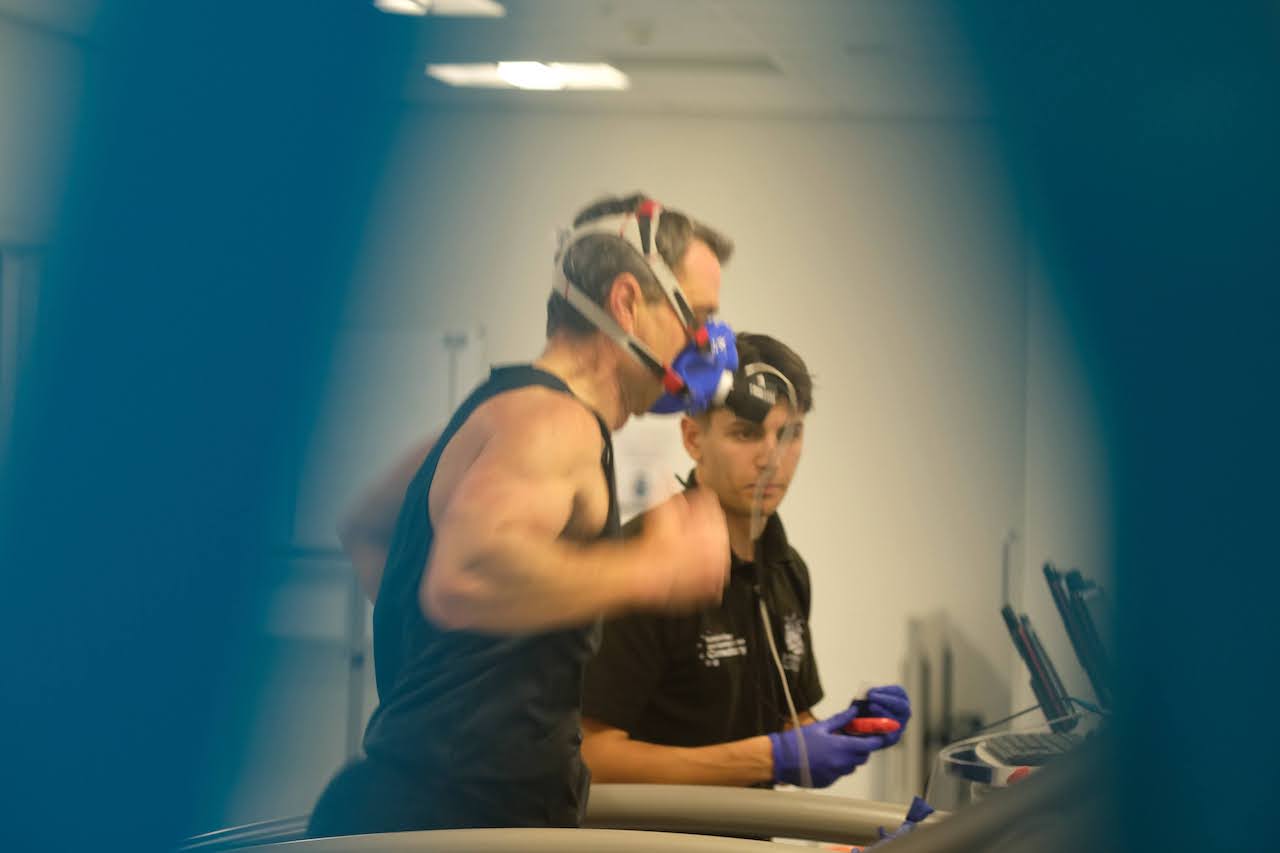
The sessions focused on cardiovascular endurance and aerobic capacity. We were testing the stamina of our hearts and lungs by measuring VO2 max and lactate thresholds. Using lab-grade treadmills and exercise bikes, each of us took part in controlled physiological tests. They measure how efficiently our hearts and lungs respond to an increasing workload.
On the treadmill, we completed a graded exercise test. This meant starting at a comfortable walking pace before increasing speed at set intervals. The stepped rises in intensity assess aerobic capacity, or how effectively the body uses oxygen during sustained effort.
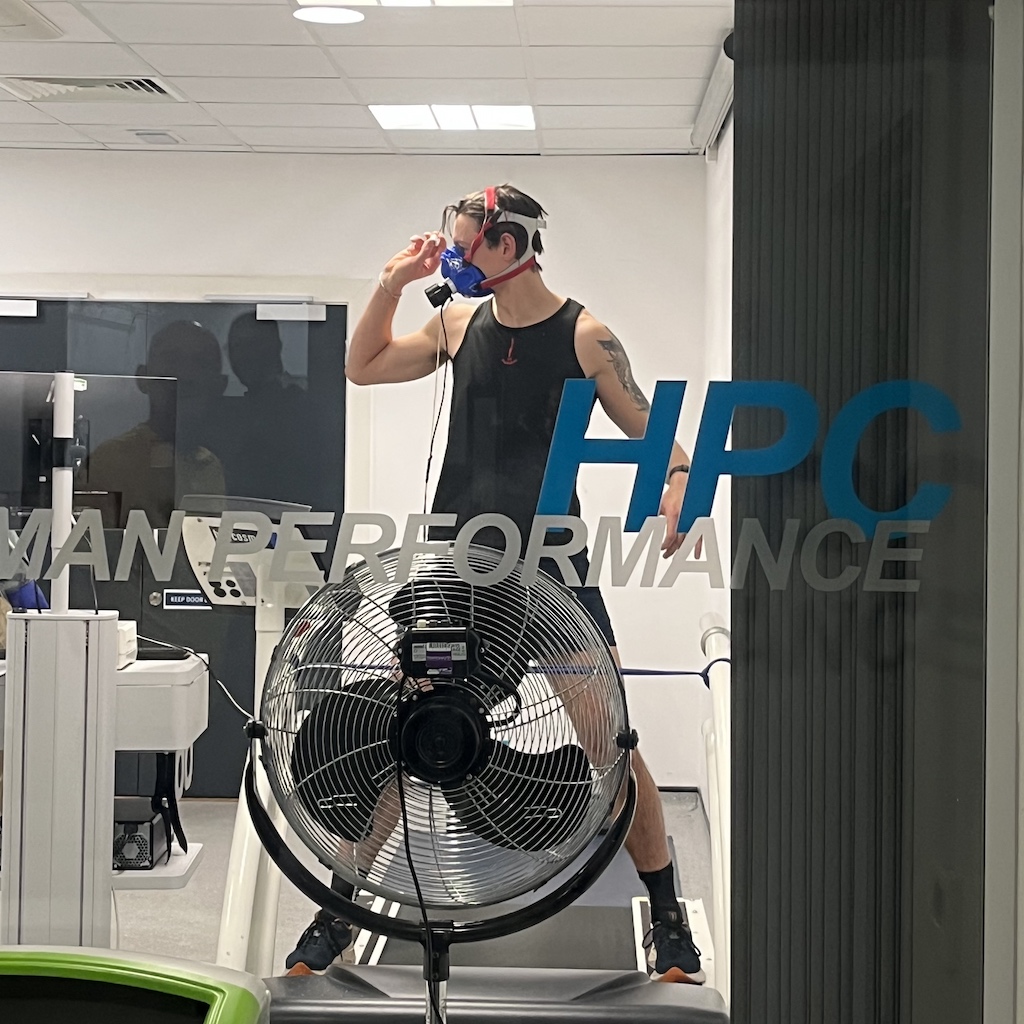
As the speed climbed, so did our heart rates. So did breathing rates. So did determination. For some in the group, it was a chance to rediscover their competitive spirit after injuries. For others, it was about quietly proving to themselves how hard they could still push. Eleven of us from Los Leones (and our supporters) took part, including the web designer, marketing lead content creator and team medic. We even had a father and son.
Meanwhile, the static bike assessments focused on controlled power output. The lab team increased resistance step-by-step while we kept a steady cadence. This allowed our testers to measure cardiovascular response, muscular endurance, and the speed of our recovery. The beauty of this test is that it removes impact stress from joints, but it still delivers a proper workout.
Throughout the testing, our heart rate monitors tracked exertion levels. The performance data was recorded to provide a clear picture of each individual’s current fitness. Rather than guessing our fitness levels, we left the lab with real metrics – particularly blood lactate profiles and levels of oxygen uptake. We’ll use these to guide our future training.
The spirit of teamwork
There’s something uniquely bonding about shared physical challenges. We’re all competitive people, but the atmosphere was supportive. We’re a team. Every finish – whether on treadmill or bike – was met with a pat on the back. Everyone ‘emptied the tank’.
Testing aside, we also took a lot from Trish Jackman, an expert sports psychologist. Her classroom session focused on how we can improve our performance by strengthening the mental skills that support physical ability. We covered techniques such as goal setting, visualisation, focus control, and positive self-talk. Understanding how thoughts, emotions, and motivation influence performance is fascinating. It will help us stay composed and mentally tough in high-pressure situations, ultimately leading to results we can be proud of.
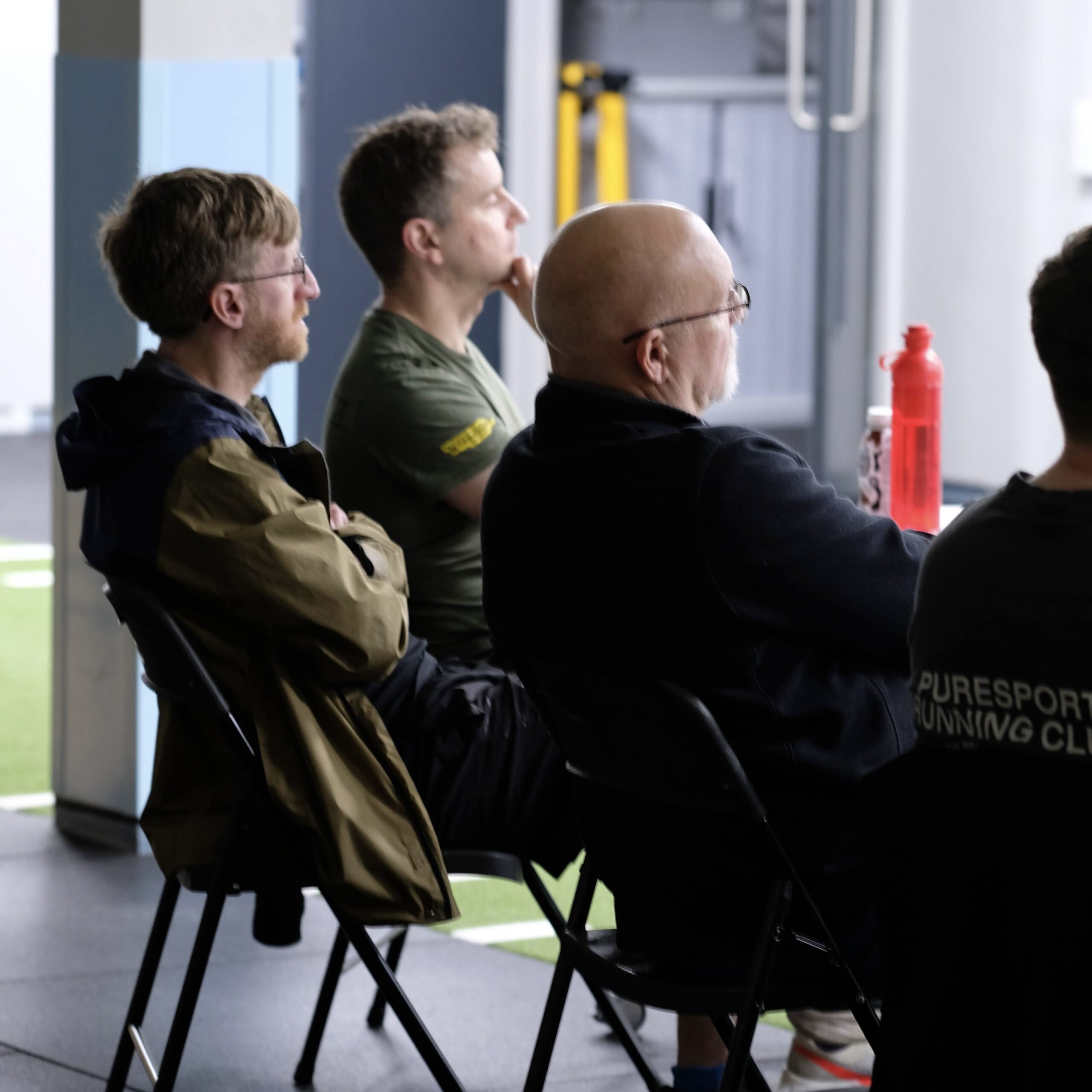
For Los Leones, the experience reinforced how structured physical activity continues to play a vital role in wellbeing. Fitness testing in a professional setting did more than produce numbers. It provided us with direction, fueled our confidence, and fostered personal accountability. We left inspired to set new goals for our project, and spent time developing more plans for 2026 and beyond.
Reflecting on heritage, service and sacrifice
While the lab sessions focused on performance and teamwork, the rest of our visit offered powerful reminders of our history and heritage.
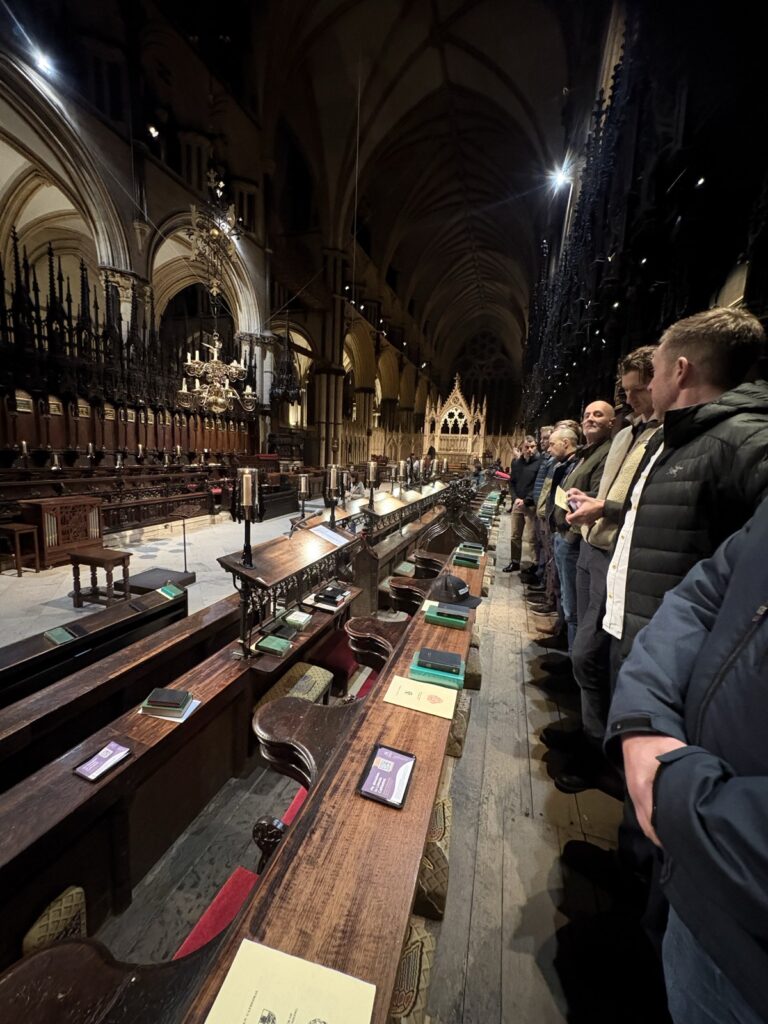
On Saturday evening, we attended evensong in the medieval cathedral. It dominates the city skyline and serves as a testament to centuries of faith and craftsmanship. Walking through its vast nave is a humbling experience, and its scale and serenity encouraged a quiet reflection. It’s a special place.
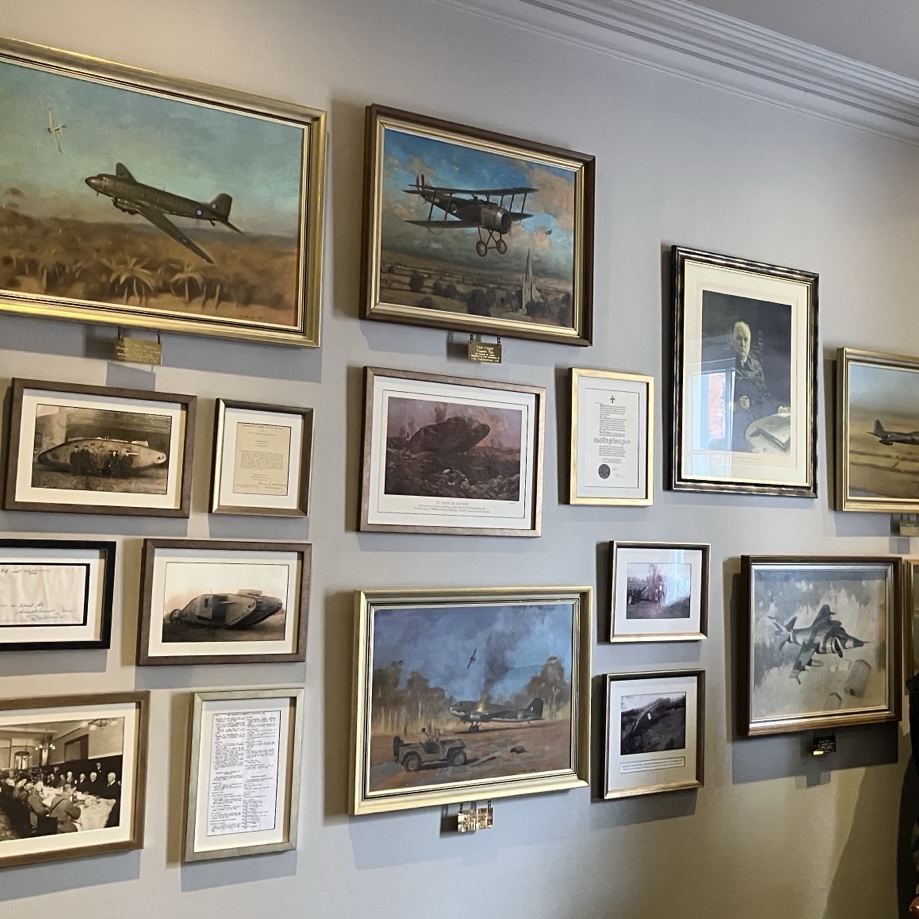
The next morning was set aside for Los Leones planning. We have big ambitions for the project, and it was a rare opportunity to bring the team together. We found the perfect venue – the Tank Room at the White Hart Hotel. This unique space celebrates Lincoln’s pivotal role in the development of the tank during the First World War. It’s full of paintings and memorabilia relating to that legacy.
Before heading home, we also visited the International Bomber Command Centre. For many of us with military connections, this was an especially poignant stop. The centre commemorates the men and women of Bomber Command who served during the Second World War. Many of them were based at airfields in the surrounding area, and navigators used the cathedral to help them find their way home. At the beginning of the war, crews simply flew until they died. The steel memorial walls, inscribed with almost 58,000 names, are a sobering reminder of their sacrifice.
The centre is also testimony to the persistence of volunteers, veterans’ families and local organisations. It was only opened to the public in January 2018, as part of the RAF’s centenary celebrations. In the decades before, political sensitivities had made the project impossible to progress. Now, at long last, we have a powerful tribute to those who served and died, and a place for visitors to learn about the difficult history of strategic bombing and its human costs.
A weekend of purpose
All round, a great visit to a historic city that was new to most of us. Our experiences were memorable, honouring the past while investing in the future. As a group committed to supporting members of the military community, it was a weekend that strengthened both body and spirit.
Thank you
All of us at Los Leones would like to thank Dr. Melissa Bargh, Senior Lecturer in Sport & Exercise Physiology at the University of Lincoln. Mel and her team did a great job,and we’re planning another visit next year. For more information on their Sport & Exercise Science Consultancy Services, you can visit their website.
The Tank Room at The White Hart Hotel
International Bomber Command Centre
The trip to Lincoln was sponsored by Freestyle Functional Fitness.
Coming up
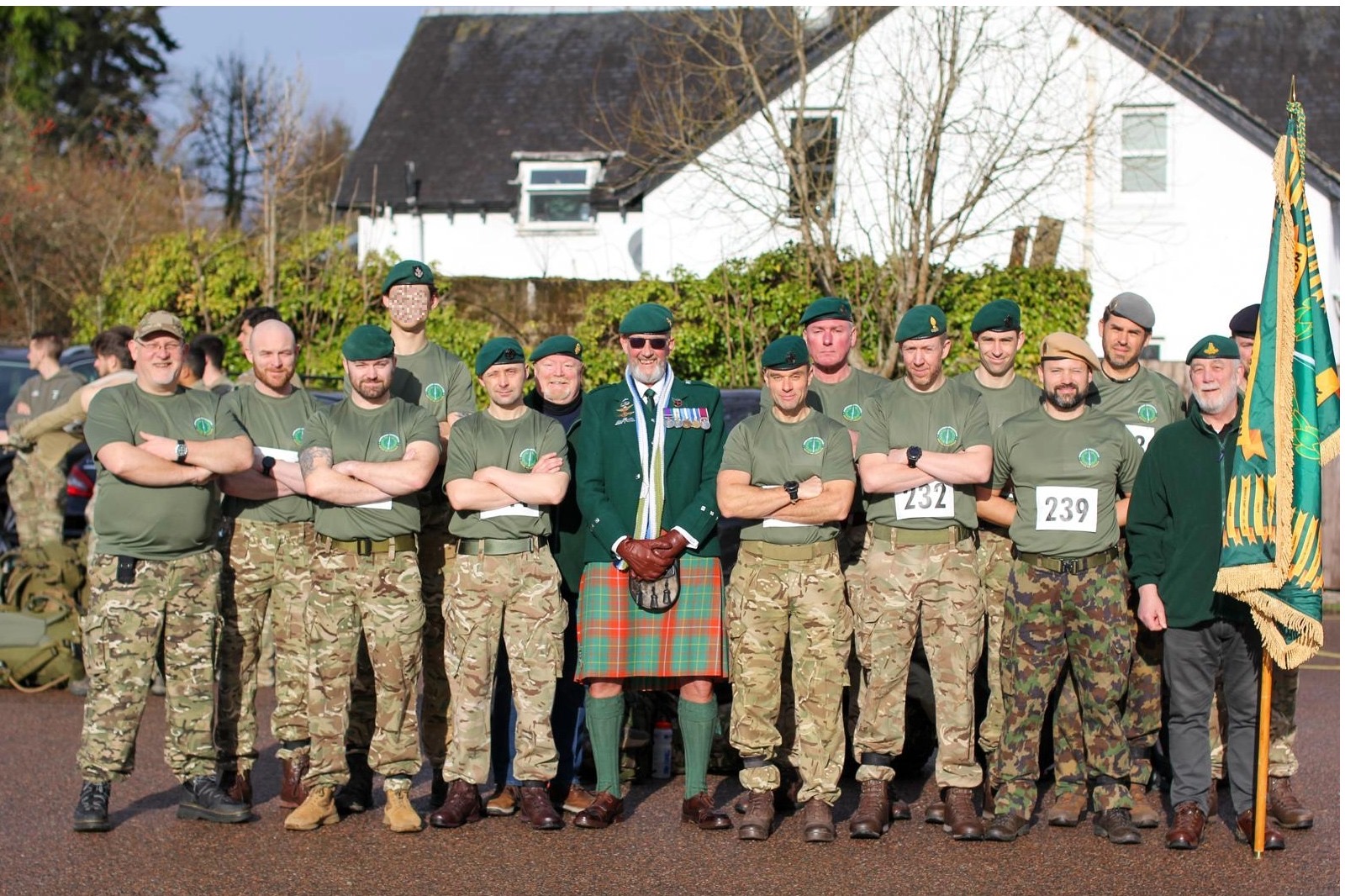
Saturday 7 March – Commando Speed March, Achnacarry
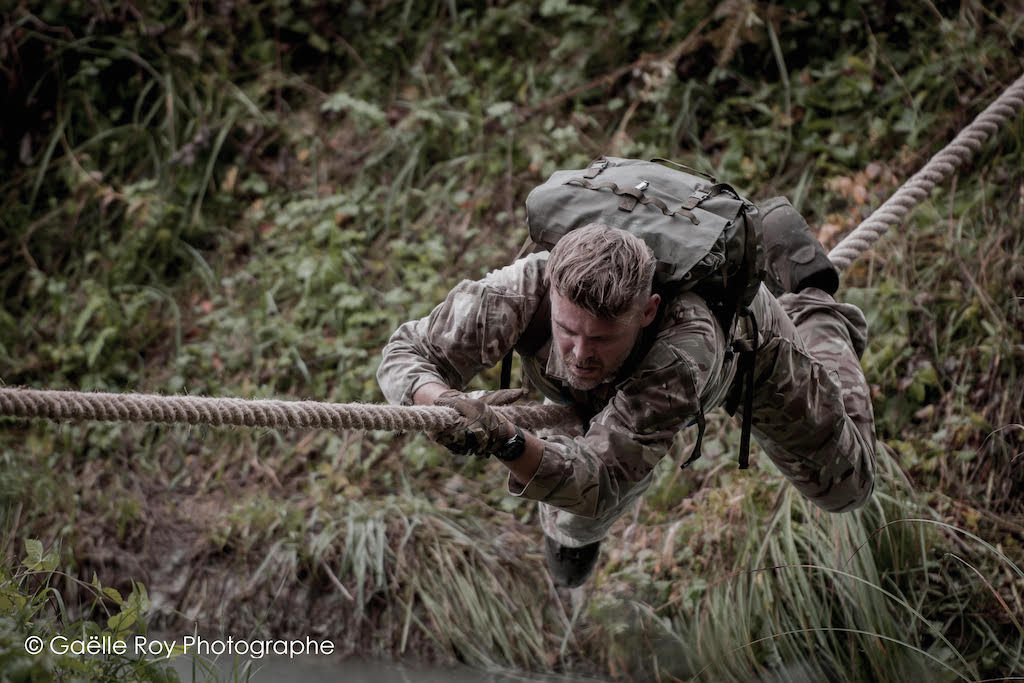
Saturday 9 May – Swiss Commando, Sion
<Ends>